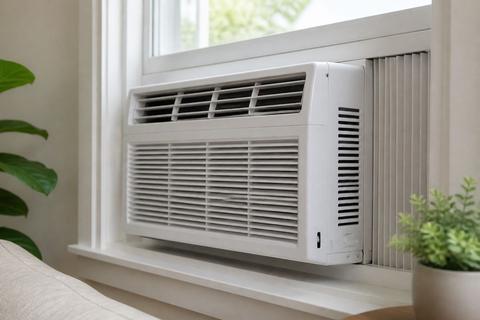
Window Air Conditioner Maintenance: Cleaning and Care Routine
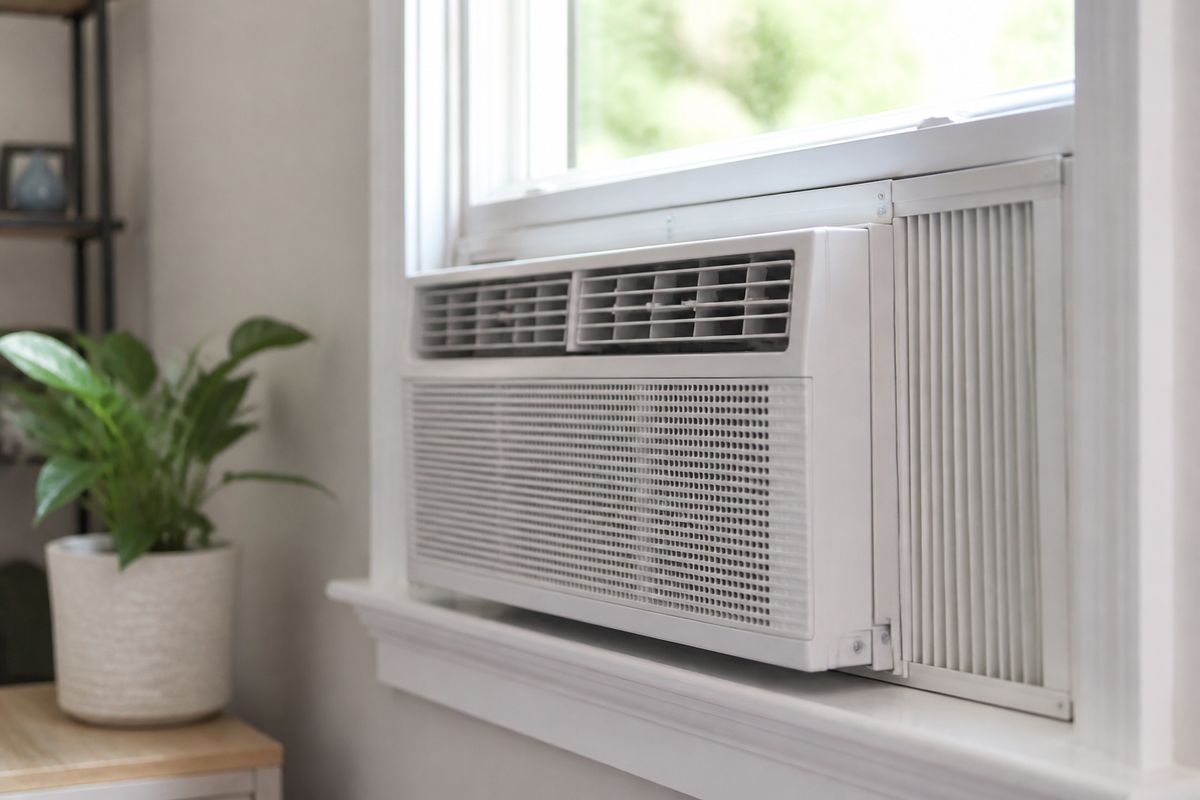
If your window AC is struggling to cool, smelling musty, or blowing weaker air, the problem is often buildup inside the unit—not the thermostat. Window Air Conditioner Maintenance: Cleaning and Care Routine keeps airflow strong, odors down, and the system running efficiently through the hottest months. With a simple, part-by-part cleaning approach, you can handle most maintenance without removing the unit from the window.
How to Deep Clean a Window AC Without Removing It
A deeper clean improves airflow, reduces trapped odors, and helps your window AC run more efficiently without the hassle of taking it out. This is worth doing when you notice reduced cooling, visible grime around the intake/front grille, or a musty smell that returns quickly after surface wiping. You’ll focus on the parts you can access: exterior surfaces, the front airflow path, interior debris, and safe rinsing of washable components.
- Unplug the unit or turn it off at the outlet you plugged it into.
- Remove the front grille cover if your model allows it, then gently vacuum loose dust from the intake area and around the fan.
- Pull out the washable filter (most slide out from the front grille), and rinse it with cool water until debris is gone; do not use hot water.
- Use a soft brush and a vacuum nozzle to remove dust from the accessible surfaces around the evaporator area (do not press hard into fins).
- Clean interior surfaces with a damp cloth, then dry everything fully before powering on.
Full Guide: How to Deep Clean a Window AC Without Removing It
How to Clean a Window AC Filter and Coils
The filter and coils do the heavy lifting: the filter traps dust, while the coils exchange heat. When either gets coated with dirt, airflow drops, cooling performance suffers, and the unit has to work harder—wasting energy and increasing wear. Make filter cleaning part of your routine, and clean coil areas as part of your seasonal maintenance.
- Clean the filter on a schedule: every few weeks during heavy use, and at least once per cooling season for light use.
- Slide the washable mesh filter out of the front grille.
- Rinse the filter under cool running water, gently brushing debris away with a soft toothbrush if needed.
- Dry the filter completely (air-dry on a towel until no damp spots remain) before reinstalling.
- For coil buildup, vacuum dust from the coil surfaces with a soft brush attachment, then wipe only accessible areas lightly with a microfiber cloth.
Coil odor or weak cooling after filter cleaning usually points to coil grime, not airflow settings—use the coil cleaning method above before moving on to deeper troubleshooting.
How often should I clean the window AC filter and coils?
Clean the filter every few weeks during heavy use. Do a deeper filter + coil cleaning at least once per cooling season, and increase frequency in dusty neighborhoods, humid rooms, or high-traffic areas where the intake collects more debris.
How to Clean Window AC Condenser Fins Safely
Condenser fins sit on the outdoor side and are essential for heat rejection. They’re delicate: bending them reduces airflow through the fin pack, which can lower cooling capacity and raise energy use. Safe cleaning means using gentle tools, avoiding high-pressure water, and keeping contact minimal so you don’t distort the fins.
- Unplug the unit and let it cool down if it recently ran.
- Use a vacuum with a soft brush attachment to remove loose debris (leaves, cobwebs, dust clumps) from the fin area.
- If dirt is stuck, spray gently with a low-pressure garden sprayer set to a light mist (keep distance; do not use a direct, powerful jet).
- Remove larger debris by hand with a soft bristle brush—don’t scrape aggressively across fin edges.
- Let the outdoor side dry fully before plugging the unit back in.
If fins are already bent or visibly misaligned, avoid “straightening” by force—use a technician if the damage is significant.
What’s the safest way to avoid damaging condenser fins?
Use suction first (vacuum + soft brush), then only a light mist rinse. Avoid pressure washers, stiff metal tools, and scraping across fin rows—any of those can permanently bend the aluminum fins.
How to Remove Mold From a Window Air Conditioner
Mold creates musty odors and can return quickly if moisture and microbial residue aren’t removed thoroughly. Window ACs attract moisture from condensation; if the unit stays damp, mold grows on washable surfaces, drip areas, and debris-catching parts inside. Address the mold first, then return to routine cleaning so you don’t keep spreading spores or re-seeding the unit.
- Unplug the unit and remove the front grille cover and washable filter.
- Inspect for black/green spots on accessible surfaces—focus on the intake path, drain area vicinity (where visible), and areas where condensate collects.
- Clean moldy surfaces with a cleaner safe for HVAC plastics/coatings: wipe affected areas with a damp cloth, then apply a mold-safe disinfectant per label directions.
- Rinse only washable parts lightly and avoid flooding the interior.
- Let components dry completely with the unit off and airflow exposed before reinstalling the filter and powering back on.
If mold is deep in areas you can’t access or the odor returns immediately after cleaning, the internal drain pan and coil area likely need professional service.
How do I tell if it’s mold or just dust?
Mold appears as fuzzy spots or blotches with a musty smell, often dark green/black, especially in damp-feeling areas. Dust is dry, light-colored, and wipes off without a persistent odor. If the smell returns quickly even after filter cleaning, treat it as mold and clean the affected surfaces thoroughly.
Frequently Asked Questions
How often should I clean a window air conditioner?
Most owners should clean the filter every few weeks during heavy use and do a deeper maintenance routine at least once per cooling season. If your window AC is used in dusty, humid, or high-traffic spaces, clean the filter more often because debris and moisture load the unit faster.
What maintenance does a window AC need besides cleaning?
A window AC also needs a few quick care checks: clear the drain area so condensate can move freely, check the seal around the window frame to reduce air leaks, inspect the power cord for wear, and ensure the unit is level with a slight tilt toward the outside so water drains outdoors. These steps help prevent leaks, vibration, and uneven cooling.
Can a dirty window AC make my room smell bad?
Yes. Dust buildup, trapped moisture, and mildew growth can create stale or musty odors. Cleaning the filter, the accessible coil area, and interior surfaces improves airflow and reduces the materials that hold odor-causing residue.