Window Air Conditioner Keeps Tripping Breaker
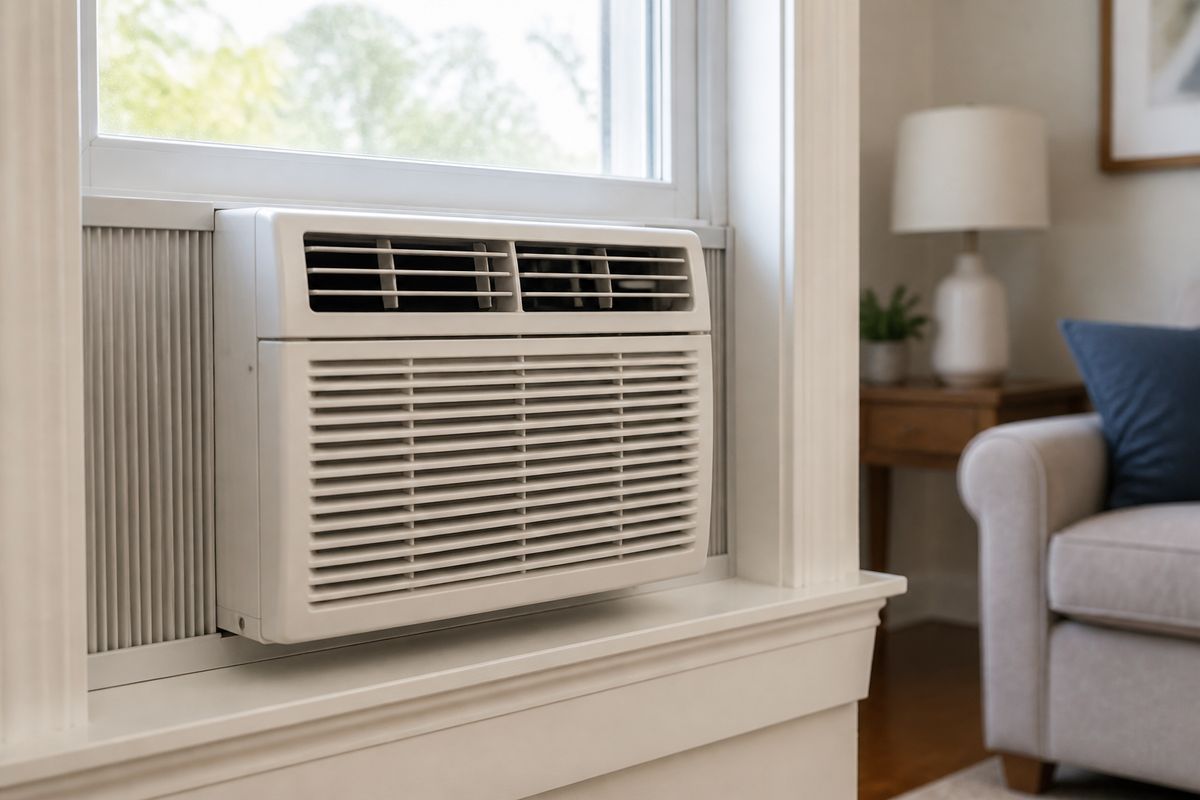
If your window air conditioner keeps tripping breaker, you’re not alone—this usually means the unit is drawing too much current when the compressor starts. The scary part is that it can be caused by something simple (like restricted airflow) or by a failing electrical component inside the AC. Either way, you need to act fast and safely so the breaker—and the unit—aren’t damaged further.
For more help, see our Window Air Conditioner Not Working: Diagnose Every Common Cause guide.
What the Breaker Trip Is Telling You
How a window AC overload differs from a short
A breaker trip can mean an overload or a short, and they behave differently. An overload happens when current draw stays too high for long enough—common with dirty filters, blocked airflow, or a failing start component that makes the compressor work harder. A short is a sudden electrical fault that creates an immediate high current spike. If the breaker trips the moment the unit turns on (within seconds), that points closer to a short or a serious wiring/controls fault; if it trips after a brief attempt to start (and especially after a few minutes of running), overload is more likely. Either way, repeated trips signal a real problem, not a “normal quirk.”
Signs the problem is the AC, not the outlet
You can tell the breaker issue is tied to the window AC when the same outlet/circuit works fine for other devices but fails specifically when the AC starts. Look for patterns: if the breaker holds until you switch the AC to COOL or fan + cool, then trips, the AC is the trigger. Also check for heat marks at the plug and outlet—if the plug or cord gets warm quickly, it points to contact resistance or an internal fault in the AC or cord. Finally, if you hear the AC attempt to start, then the breaker trips, the issue aligns with compressor startup surge, restricted airflow, or a component failure inside the unit rather than the building wiring alone.
When repeated tripping means stop using the unit
If your window air conditioner keeps tripping breaker more than once in the same troubleshooting session, you should stop using the unit until it’s diagnosed. Repeated resets can hide the true cause and increase risk: if the problem is internal (like a damaged capacitor, failing compressor start circuit, or arcing), each attempt can worsen the fault. Also, short cycling can overheat components—especially if the compressor is protected and then forced to restart too quickly. The safest rule is simple: if cleaning and basic power-cord checks don’t stop the trips, pause operation and move to professional electrical/HVAC diagnosis.
First Checks You Can Do Safely
Confirm the breaker and circuit size match the unit
Window ACs require the right circuit capacity. Start by checking the rating printed on the AC’s nameplate (often near the plug or behind the front grille) and compare it to the breaker size. Most window units require a dedicated circuit and many are designed for 15A or 20A service; if your breaker is undersized, the compressor startup surge will trip it. Then check the breaker type: if it’s an older “fuse box” setup or mismatched wiring, you need an electrician’s help before powering the unit again. Use a solid match—wrong breaker size is not a troubleshooting detail; it’s a direct cause of repeated trips.
Remove extension cords, power strips, and adapters
Do not run a window AC through extension cords, power strips, or plug adapters. The compressor draws high starting current, and those accessories add resistance that can overheat—leading to tripping and damage. If you’re currently plugged into anything other than a properly functioning wall outlet on the correct circuit, move the unit directly to the outlet. Many window units also use safety features (including leakage-detection cords on some models), and those features can be bypassed or fail when you use improper connections. If the AC is hard to reach, reroute within the room rather than adding power components.
Inspect the plug, cord, and outlet for heat or damage
Before you try again, do a visual and touch inspection—only with the unit unplugged. Look for discoloration, melting, cracks in the cord jacket, frayed wires, or a loose plug that wiggles. Then inspect the outlet face for scorch marks or a melted appearance around the slots. If you have a safety plug with TEST/RESET buttons (common on UL-listed LCDI-style cords), press RESET firmly until it clicks; if it trips immediately on the next start attempt, the cord’s protection or the unit’s wiring may be faulty. In that case, stop using the cord and arrange repair—don’t bypass the safety device.
Test the unit on a different dedicated circuit
If the unit still trips the breaker, test it on a different outlet served by a different dedicated circuit—not another strip of the same breaker. Plug the AC in and run it on COOL for a short window to see whether the breaker trips again on that new circuit. Use only outlets that you know power other heavy loads without issues. This step isolates whether the issue is tied to a specific circuit’s wiring quality or if the AC itself is drawing a fault-level current. If it trips on both circuits, the AC’s compressor start system, motor, capacitor, or control board is the likely culprit.
Common Causes Inside the Window AC
Dirty filter or blocked airflow
A dirty filter or restricted airflow increases compressor load and can trigger breaker trips. Start with the basics: pull the washable filter and inspect it for dust buildup, matting, or collapsed fibers. Clogged filters reduce airflow across the evaporator coil, which makes the compressor work harder to maintain temperature—raising current draw. Then check for blocked intake paths: straighten the unit so air isn’t being short-circuited by curtains or furniture. Finally, ensure the vents and louvers move freely so air actually exits where it should. If your model has a “Filter” reminder, clean and then reset the filter light after maintenance.
Dusty condenser coils and restricted airflow outdoors
The condenser needs clear airflow outdoors to release heat. If the outdoor side is packed with dust, lint, or debris, the compressor becomes overworked and current draw rises enough to trip the breaker. Remove the front grille and inspect condenser-facing areas; wipe or vacuum dust without bending fins. Also ensure the unit isn’t obstructed by shrubs, boxes, or stacked items that block the outdoor fan. If you recently ran the AC with windows open to heavy pollen, plan a thorough coil cleaning. Restricted airflow outdoors is a high-probability cause when the breaker trips after the AC has been trying to run for a bit rather than instantly.
Compressor startup surge or failing capacitor
Many breaker trips happen right when the compressor tries to start. A window AC compressor relies on start circuitry; a failing capacitor can cause extra current draw during startup, leading to overload trips. Pay attention to timing: if the breaker trips at the moment the compressor kicks on, the start components are suspects. If your unit has a capacitor and you’re not trained to handle high-voltage parts, do not attempt DIY replacement—capacitors store charge. Instead, document what happens (how soon it trips and whether the fan runs) and bring that info to an HVAC technician. The goal is to stop repeated tripping that can damage the compressor.
Fan motor problems, bent blades, or loose parts
A failing fan motor or physical obstruction can increase electrical load and trigger protection. Listen for abnormal fan sounds: scraping, humming, or a fan that doesn’t spin freely. Remove the front grille and check for bent blades, loose screws, or something caught in the fan—such as a sock thread or debris from outside. A bent blade can also force the motor to work harder, which increases current draw and can lead to breaker trips. Tighten any accessible hardware you find that’s loose, then attempt operation only after the area is cleared. If the motor sound persists, the fan system likely needs service.
Low voltage from an overloaded home circuit
Low voltage reduces motor torque and can force components to draw more current, tripping the breaker. This is common when an entire area of the home shares a stressed circuit, or if the AC is plugged into a circuit with heavy loads running at the same time. Check whether the AC behaves differently when other large appliances run (microwave + space heater + refrigerator, for example). Also consider seasonal demand: during peak usage, voltage can sag enough to trigger overload. If the AC trips under lighter load or only on hot days, voltage drop can be part of the problem. The most reliable fix is a properly sized dedicated circuit and verifying your home’s voltage with an electrician if needed.
Noises That Often Point to the Root Cause
Buzzing or humming before the breaker trips
Buzzing or humming right before the breaker trips usually points to an electrical or start-up issue. It can indicate the compressor is struggling to start, a bad capacitor, or a motor that’s drawing higher current. If you hear a low hum and then the breaker trips during startup, treat it as a sign the compressor start circuit isn’t reaching normal operating conditions. Another possibility is a control board or relay fault that causes a brief malfunction and overload. Because buzzing can also accompany arcing or contact resistance, do not keep resetting the breaker repeatedly—stop attempts and move to internal inspection/service planning.
Banging, thumping, or rattling from loose components
Rattling or thumping can come from loose panels, a shifting window mount, or internal components that aren’t securely fastened. When the unit isn’t stable, vibration can create electrical contact issues inside the cabinet, contributing to breaker trips. Start by checking the installation: the unit should be firmly supported and tilted slightly toward the outside so condensate drains correctly. Then listen with the grille on (only while powered normally and safely, but avoid sticking hands into moving parts). Tighten any accessible fasteners. If the noise returns instantly, the issue is internal—loose fan hardware, damaged fan motor mount, or compressor mounting—requiring service.
High-pitched squeal or grinding from a failing motor
A high-pitched squeal or grinding sound often indicates mechanical wear in a motor or fan assembly. Worn bearings increase friction and can cause the fan or compressor-related components to draw excessive current, triggering the breaker. If the sound appears during startup and the breaker trips soon after, treat the motor/fan system as a prime suspect. Grinding can also mean a blade is contacting a housing. Stop using the unit if you hear grinding—continued operation can destroy the motor. For safety, plan for HVAC repair because motor wiring and tight clearances inside the cabinet aren’t DIY-friendly.
Loud startup and shutdown noise from short cycling
If the AC starts, stops quickly, and then repeats with loud transitions, you may be seeing short cycling—often tied to airflow restriction, thermostat behavior, or an electrical fault. Short cycling forces the compressor to restart too frequently, and compressor protection delays can make it feel like the unit “can’t cool,” which owners interpret as failure. The electrical side can also malfunction and cause rapid on/off behavior that increases current draw. If the unit repeatedly attempts to start and the breaker trips during these cycles, don’t keep trying. The root cause needs to be found: airflow, sensor/controls, or compressor protection triggering from internal issues.
Why the Unit Keeps Starting and Stopping
Thermostat placement and temperature overshoot
Temperature control issues can make the unit run longer than intended or cycle unpredictably. If the thermostat senses a warmer surface than the actual room air, the compressor runs aggressively and may hit high current demands repeatedly. Also check for drafts: direct sunlight on the unit, heat from a nearby lamp, or air blown from another appliance can skew readings. Place curtains so they don’t block intake airflow, and make sure the front isn’t sealed tightly against a wall that blocks normal temperature mixing. On units with adjustable modes, avoid “turbo-cool” behaviors if you don’t need them; steady settings reduce cycling stress on compressor protection circuits.
Frozen evaporator coils and airflow restriction
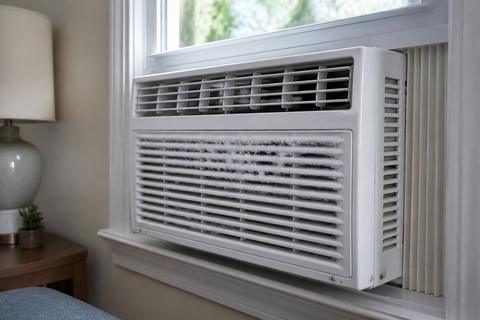
Frozen evaporator coils restrict airflow and increase electrical demand when the compressor runs against poor heat transfer. Common triggers include a dirty filter, blocked return air, or low indoor airflow due to a blocked grille. If you see ice on the front grille or feel little airflow while the fan runs, switch to fan-only mode until the ice fully melts, then clean the filter. After cleaning, keep the vents unobstructed and run normally again. If the unit refreezes soon after a filter cleaning, the coil likely needs deeper cleaning or the airflow system is still restricted, which can keep breaker trips going.
Compressor overheating and protection shutdowns
Compressor overheating can cause protection shutdowns and contribute to repeated start/stop behavior. Heat buildup happens when airflow over the condenser is blocked outdoors or when the refrigerant circuit is experiencing abnormal operating conditions. When overheating occurs, the compressor’s internal protection may open and close, leading to a cycle that increases total electrical stress. You can often spot overheating indirectly: the unit runs briefly, the room stays warm, and the startup is louder or more strained over time. If the problem returns after basic cleaning of filters and coils, compressor-level electrical or mechanical failure becomes much more likely and needs HVAC diagnosis.
Electrical faults that cause rapid cycling
Electrical faults can force the unit to stop and restart quickly—sometimes before the compressor has a chance to complete a stable run. A failing capacitor, damaged start relay, bad control board, or sensor fault can cause the unit to attempt to run and then shut down when it detects abnormal conditions, resulting in repeated current surges. Some window units display error codes (for example, Midea-built models can flash E1 for an open/shorted room-temperature sensor and EC for refrigerant-leak detection; LG window units use CH-prefixed codes). If a code is displayed, match it to your unit’s manual rather than guessing—rapid cycling tied to codes is a direct path to component service.
Repair, Replace, or Call a Pro
Simple fixes that are worth trying first
Start with maintenance and safe power checks that remove the most common causes of overload. Clean the filter and any accessible grille dust, clear indoor airflow paths, and clean condenser-facing surfaces as instructed by your model. Then remove the AC from extension cords, power strips, and adapters and plug directly into the correct outlet. If you have an LCDI-style safety cord, press RESET until it clicks; if it won’t stay reset or trips again right away, stop using the cord. Finally, make sure the unit is installed level with a slight tilt toward the outside so condensate doesn’t pool and contribute to moisture-related problems. If tripping continues, move beyond “simple fixes.”
When internal wiring or components need service
When tripping persists after airflow and cord/outlet safety checks, internal components are the likely cause. Compressor start issues (capacitors, start relays), fan motor faults, and damaged wiring inside the cabinet can create current draw spikes that trip breakers even when the unit is otherwise clean. These parts are high-risk because window ACs contain capacitors that retain charge and wiring that can arc if disturbed. At this point, document what happens: how fast the breaker trips, whether the fan starts, any buzzing, and whether error codes appear. A technician can measure current draw, inspect start circuit function, and test for insulation breakdown without repeatedly forcing the system into overload.
When replacement is safer than repair
Replacement becomes the safer choice when multiple major components fail or when the unit is older with recurring electrical issues. Consider replacing if repairs are expensive relative to the unit’s remaining lifespan, or if the compressor, main control electronics, or repeated start-component failures keep returning. Also replace instead of repair if the breaker trips are severe and you repeatedly find heat damage at the plug/cord area or inside the cabinet. If your unit uses a safety cord and that device cannot maintain safe operation, the cost and risk of repeated failures may outweigh repair. A pro can estimate whether the compressor and electrical system are beyond cost-effective restoration.
Cases that need an electrician or HVAC technician
Call an electrician if you find outlet heat damage, melted receptacles, burn marks at the breaker panel, wiring that doesn’t match the AC requirements, or if you suspect the circuit is miswired. Call an HVAC technician if the AC trips with the fan behavior consistent with compressor-start failure, if you hear grinding/squealing from motors, or if the unit displays error codes related to sensors or refrigerant-leak detection. Also call a pro when the unit keeps tripping immediately at startup after you remove power-cord risks and clean airflow paths. If you see visible arcing, scorched internal components, or persistent buzzing right before trips, do not keep resetting—service is required.
Preventing Future Breaker Trips
Clean filters and coils on a regular schedule
Keeping airflow clean prevents compressor overwork and reduces the chance of overload trips. Clean the washable filter at the interval recommended for your usage, and immediately after you notice reduced airflow or dusty indoor conditions. On many units, the front “Filter” reminder appears around 250 run-hours; when it does, remove the filter from the front grille, rinse, dry fully, reinstall, and press the Filter Reset button to clear the indicator. For coils, dust accumulation on condenser-facing surfaces increases heat load; clean as directed by the manufacturer without bending fins. Consistent maintenance reduces both electrical stress and mechanical wear.
Keep the circuit dedicated and correctly sized
A dedicated circuit prevents other loads from causing voltage sag and overload conditions at startup. Use a properly sized breaker and wiring that matches the AC’s nameplate requirements. Avoid sharing the circuit with heavy appliances like space heaters or large kitchen devices. If your home’s circuit setup doesn’t provide dedicated capacity, install the correct circuit rather than relying on workarounds. Dedicated power also makes troubleshooting easier because you isolate whether the issue is internal to the AC or caused by shared load conditions. Correct sizing and dedicated wiring are the most reliable preventive measures for compressor startup current demands.
Install the unit level with proper support
Improper installation affects drainage, airflow, and vibration—each can contribute to recurring shutdowns and electrical stress. Most window units should tilt slightly toward the outside (about 1/4 to 1/2 inch) so condensate drains outdoors. Many units have no drain plug because the fan’s slinger ring splashes water onto the hot condenser coil; rhythmic sloshing or a “pssst” sound can be normal. Water dripping inside typically means the tilt is wrong or the pan drain path is clogged. Secure the window supports so the unit doesn’t shift during vibration. Stability reduces rattling and loose connections that can drive trips.
Watch for early warning signs before the next trip
Don’t wait for the breaker to trip again—early symptoms often predict the cause. Watch for reduced airflow, frost/ice on the intake grille, unusual buzzing/humming at startup, or repeated cycling where the compressor starts and stops quickly. Note any odor of burning plastic, heat at the plug, or a safety cord that struggles to stay reset. If your unit displays error codes, address them according to your manual rather than ignoring them. Catching issues early—like a clogged filter, blocked condenser side, or failing start component—prevents the repeated overloads that lead to permanent compressor or electrical control damage.
Frequently Asked Questions
Why does my window air conditioner keep tripping the breaker when it starts?
The most common reason is the compressor’s startup surge, especially if the circuit is undersized, the unit is dirty, or a component like the capacitor is failing. When the compressor starts, it briefly draws much higher current than the fan. If the AC can’t start cleanly (restricted airflow, weak start circuit, or electrical resistance at the plug), the breaker detects the overload and trips. Fan operation without cold air plus immediate tripping strongly points to a startup/capacitor/start-relay issue inside the unit.
Can a dirty filter make a window AC trip the breaker?
Yes. A dirty filter restricts airflow across the evaporator coil, which forces the compressor to work harder to remove heat. That increased workload raises current draw and can trigger the breaker’s overload protection. You can often see the filter is clogged with dust or the airflow coming out of the unit feels weak. If the filter is dirty and the breaker trips after the AC runs briefly, airflow restriction is a direct and common cause.
Should I reset the breaker every time it trips?
No. Resetting repeatedly can hide a serious electrical or mechanical fault and can worsen an internal problem like a failing capacitor, damaged wiring, or an arcing connection. If the breaker trips more than once, stop running the unit until it’s checked and corrected. Continuing to reset forces repeated compressor startup surges and can damage components faster.
Is a buzzing noise before the trip a bad sign?
Yes. Buzzing or humming before the trip can point to a struggling compressor, a bad capacitor, fan issues, or an electrical fault that’s causing abnormal current draw. The sound often appears right as the compressor tries to start, which aligns with overload conditions. If you hear buzzing and the breaker trips, treat it as an internal electrical or start-system warning—don’t keep cycling power.
When should I replace the window AC instead of repairing it?
Consider replacement if the unit is older, repairs are expensive, or the compressor or main electrical components are failing repeatedly. If the compressor start components keep failing or the unit requires frequent electrical service to stop breaker trips, the overall risk rises and the cost-effectiveness declines. Replacement becomes safer when there’s evidence of heat damage, persistent electrical faults, or multiple major failures in the same season.